Gold is more than jewellery in India. It is tradition, wealth, security, and a trusted backup during urgent financial needs. Over the years, jewellery designs have become more decorative, especially with rubies, emeralds, sapphires, diamonds, and synthetic stones added into gold ornaments.
Stone-embedded jewellery looks grand, but it can hide a serious financial drawback. When you sell gold, the buyer calculates the value only for the actual gold content. The weight of stones, beads, enamel, and other non-gold materials is removed from valuation.
At Aghni Gold, many customers discover this only during resale. A necklace that looked heavy at purchase may contain much less gold than expected. This guide explains why stone-studded gold can reduce resale value and what you should check before buying or selling.
What is Stone-Embedded Gold Jewellery?
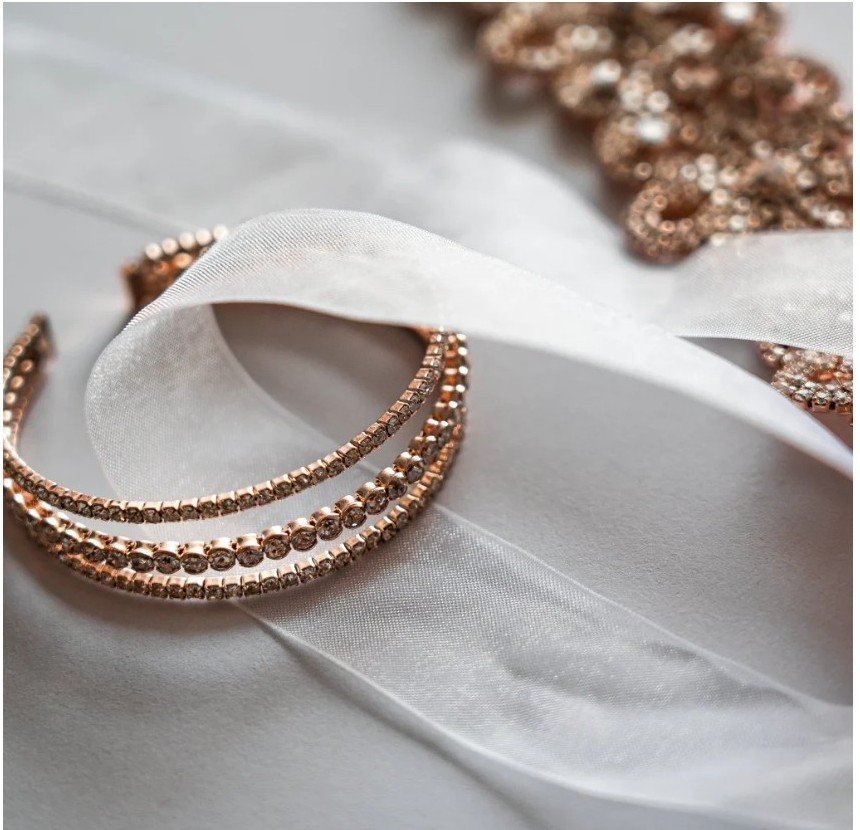
Stone-embedded gold jewellery is any ornament where precious, semi-precious, synthetic, or decorative stones are fixed into a gold frame. These pieces are usually chosen for weddings, functions, gifting, and fashion because they look rich and detailed.
Common examples include:
The issue is not the beauty of these designs. The issue starts when the total weight is treated as jewellery weight during purchase, while resale value is calculated only from the gold weight.
The Hidden Impact on Weight and Value
1. Misleading Weight Calculations
When you buy a stone-studded ornament, the bill may mention the gross weight of the jewellery. Gross weight includes gold, stones, wax, enamel, lac, and other setting materials.
Example
Total jewellery weight: 20 grams
Actual gold weight: 15 grams
Stone and setting weight: 5 grams
You may pay for a heavier ornament, but resale is based only on the 15 grams of gold.What this means
The jewellery may feel valuable because it is heavy. But if a large part of that weight is not gold, the resale value drops immediately.
Gold buyers pay for gold, not for decorative weight.2. Reduced Resale Value
During resale, a professional gold buyer checks purity and net gold weight. Stones and other non-gold materials are separated or deducted before final pricing. This can make the final offer much lower than what the customer expected.
Even if the ornament was expensive at purchase, the buyer cannot pay gold value for non-gold parts. This is why stone-heavy jewellery often gives lower returns compared to plain gold jewellery.
3. Low or No Value for Stones
Customers often assume that gemstones will add resale value. In most normal gold resale transactions, stones are not valued unless they are certified, verifiable, and have a separate buyer market. Synthetic stones, glass stones, and decorative stones usually carry little or no resale value.
4. Labour Charges and Making Charges
Stone setting requires detailed craftsmanship, so making charges are usually high. These charges may be 15% to 25% or more depending on the design. At resale, making charges are not recovered. This creates another layer of loss.
Real Customer Story: Mrs. Meena's Necklace Dilemma
Mrs. Meena purchased a heavy bridal necklace that weighed around 60 grams. The ornament had large stones and a detailed setting. When she later decided to sell it for urgent financial needs, she expected payment close to the full 60-gram value.
After testing and removing non-gold weight, the actual gold content was only around 42 grams. The remaining weight came from stones and setting material. The final value was much lower than her expectation.
Her learning was simple: if the purpose is investment or emergency liquidity, plain gold is usually smarter than stone-heavy jewellery.
Things to Watch Out for When Buying Jewellery
- Ask for the net gold weight, not only the gross ornament weight.
- Check whether the jewellery is BIS hallmarked.
- Ask if the stone weight is clearly mentioned in the bill.
- Prefer minimal stones if you are buying for investment.
- Understand that making charges and stone-setting charges are not returned during resale.
- Keep the purchase bill safely, but remember that resale value still depends on purity and net gold weight.
Why Plain Gold Jewellery is a Smarter Investment
Stone-Embedded Jewellery
Lower resale value because stone weight is deducted.
Less transparency in actual gold weight.
Higher making and setting charges.
Purity checking can be more complicated.
Best for beauty, events, and sentiment.Plain Gold Jewellery
Higher resale value because most of the weight is gold.
Clearer valuation and easier testing.
Usually lower making charges.
Faster liquidation during emergencies.
Best for investment and financial security.How Gold Buyers Like Aghni Gold Evaluate Your Jewellery
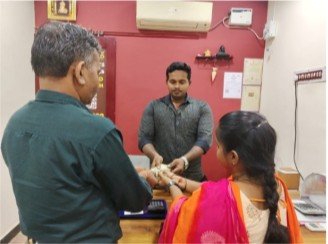
Aghni Gold follows a transparent process so customers understand exactly how their ornament is valued.
The goal is to make the selling process clear and fair. You see what is tested, what is deducted, and how the final value is calculated.
The Loss Math: Real Numbers You Must Know
Consider a stone-embedded necklace with a total weight of 50 grams. If 10 grams are stones and setting materials, only 40 grams will be considered for gold valuation. If you also paid high making charges during purchase, that amount is usually not recovered at resale.
This is why many customers feel a sudden shock when selling decorative jewellery. The loss is not because the buyer is unfair. It happens because the original ornament contains less gold than the gross weight suggests.
Why Choose Aghni Gold
Aghni Gold is trusted by customers who want a simple and transparent way to sell old gold in Chennai. Our team explains the valuation before purchase so you can make a confident decision.
- Transparent gold evaluation in front of the customer.
- Accurate karat checking with advanced testing methods.
- No hidden charges or surprise deductions.
- Clear explanation of stone and non-gold weight.
- Instant payment after final confirmation.
- Free consultation for customers who want guidance before selling.
Before You Sell Stone-Embedded Gold
- Separate plain gold and stone-studded jewellery if possible.
- Bring the original purchase bill if you have it.
- Understand that stones may not add resale value.
- Ask the buyer to explain net gold weight clearly.
- Compare the final value only after purity and weight are tested properly.
Conclusion
Stone-embedded gold jewellery can be beautiful, emotional, and perfect for special occasions. But if your goal is investment, emergency liquidity, or long-term value, it may not be the best choice. The major reason is simple: resale value depends on pure gold weight, not on the total ornament weight.
When stones, lac, enamel, and setting materials are deducted, the payable weight can reduce sharply. High making charges also reduce the overall return. Plain gold jewellery, coins, and bars usually give better clarity and stronger resale value.
At Aghni Gold, we believe customers deserve honest guidance before selling their valuables. Whether your jewellery is plain or stone-studded, our team gives transparent testing, fair valuation, and instant payment.
In gold ownership, knowledge is as valuable as the metal itself. Make your next purchase not only dazzling, but also smart.
Need the real value of your gold in Chennai? Visit Aghni Gold for transparent testing, clear explanation, and instant payment.
Get Free Estimation